Product Blog
Cable Holder Clip: Everything You Need to Know
In this guide, we’ll look the main uses and types of cable clips to help you decide which one is best for the job.
Read More
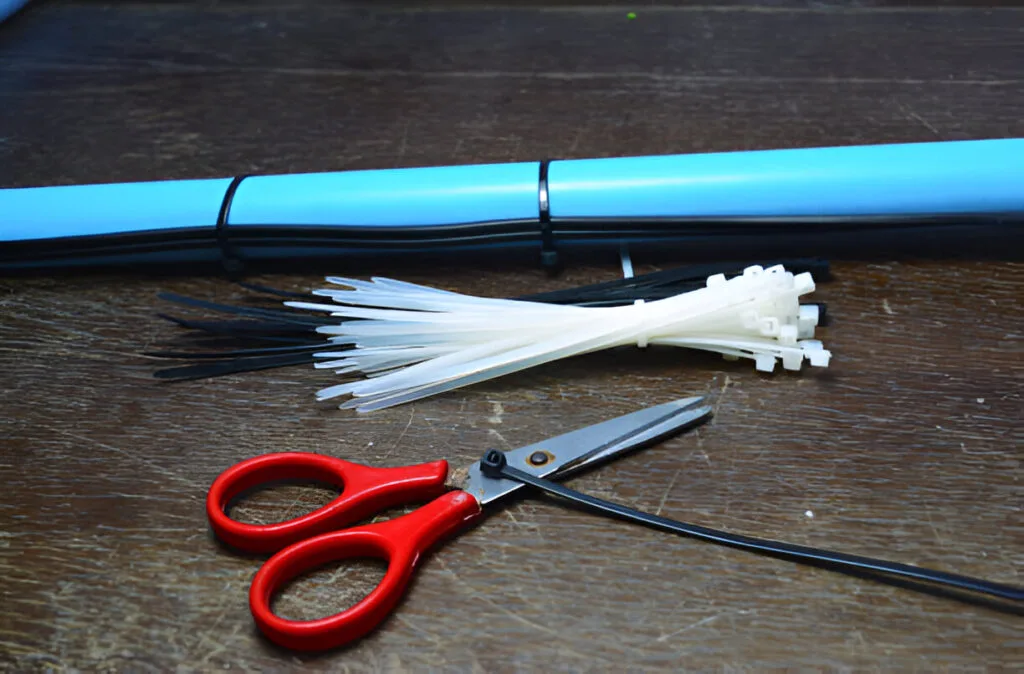
To successfully remove cable ties in various situations, understanding both their design and removal options is essential.
Cable ties, with their simple yet effective locking mechanism, provide robust fastening, but this same feature can make them challenging to release or reuse.
Whether your goal is to cut them free, unlock them for reuse, or simply break them apart, knowing the right techniques and precautions will help you remove cable ties safely and efficiently.
To appreciate removal techniques, it’s helpful to grasp how cable ties operate.
These clever nylon fasteners feature a unique locking mechanism. The strap tightens easily through a ratchet system, yet locks in place so it cannot slip back or loosen.
Because of this one-directional action, cable ties offer reliable holding power but are difficult to release without cutting or damaging them.
The simplest removal method is to cut the cable tie.
What you need: Scissors, wire cutters, or a utility knife.
How to do it: Find the head of the tie (where the locking mechanism is), and carefully cut the strap close to this point. Cutting near the head helps protect nearby wires or objects from accidental damage. Always keep your hands and any other items out of the way to avoid injury.
Note: This method makes the cable tie unusable, but it’s fast and perfect when reuse isn’t necessary.
If you want to save the cable tie for future use, try unlocking it.
What you need: A small flathead screwdriver, nail file, or another thin, strong tool.
How to do it: Insert the tool under the locking tab inside the tie’s head. Gently lift the tab while pulling the strap out. This works best with sturdy, high-quality ties that won’t break easily.
Result: The tie comes loose and can be used again.
Sometimes, you can remove a cable tie with just your hands.
How to do it: Hold the tie near the lock and twist it back and forth. This weakens the lock until the tie breaks or can be pulled free.
Note: This method takes some effort and is easier with lighter ties. It’s best for quick removal in situations where the tie doesn’t need to stay intact.
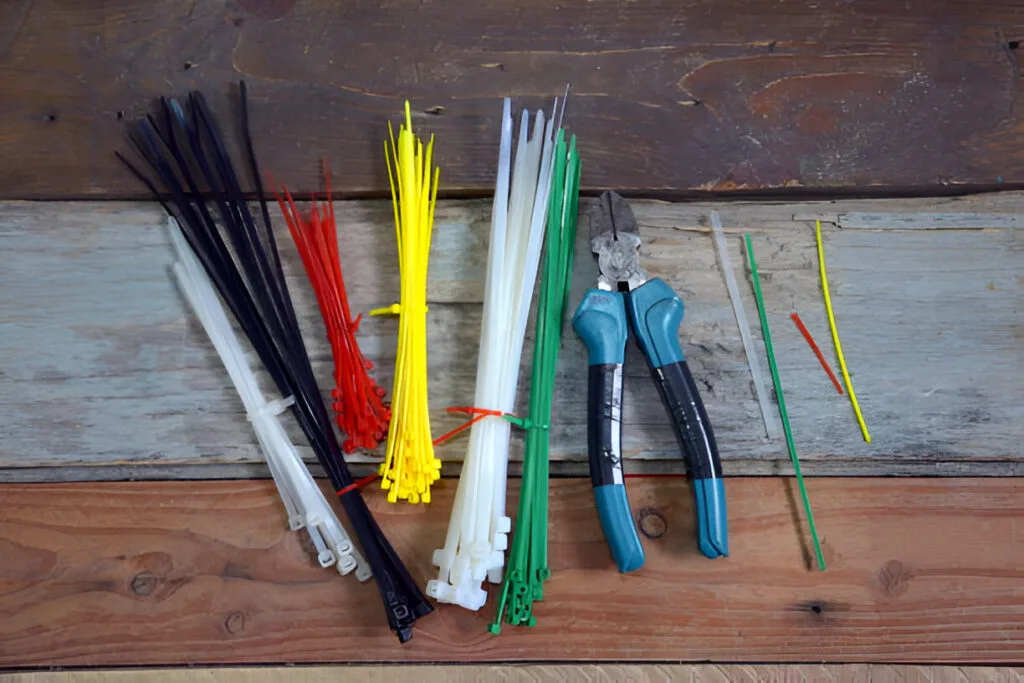
Sometimes, it’s best not to reuse cable ties. If a tie shows obvious signs of damage, such as cracks, brittleness, or distortion, it may break or fail if used again. Ties that are worn or deformed should be discarded rather than risk a weak connection.
Non-releasable cable ties are specifically designed to stay locked in place and cannot be opened easily. These should be cut off when removal is needed, rather than trying to free them for reuse.
Regular cable ties are usually meant for one-time use. Many people prefer to cut them for quick removal or to avoid the hassle of unlocking the mechanism.
For those who need to bundle and unbundle items often, releasable cable ties are a practical choice. They offer the convenience of multiple uses without the risk of damage or failure.
If you want to learn more about their strength and reliability, guides on reusable cable ties provide detailed information.
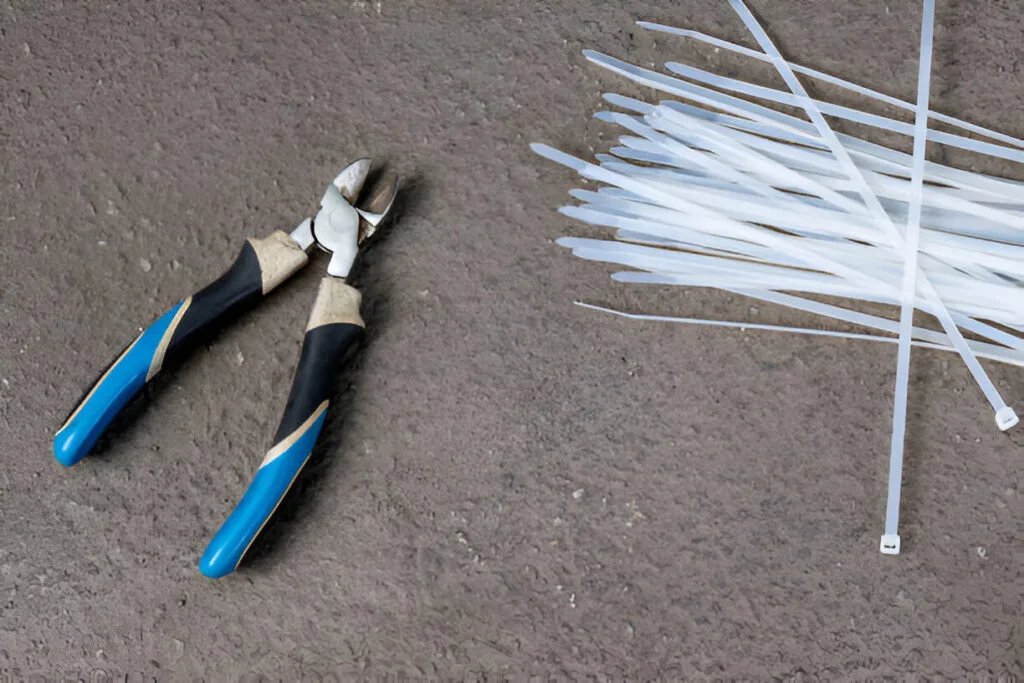
In summary, learning how to remove cable ties properly can save time and prevent damage to cables or objects.
By choosing the right tools, paying attention to safety, and recognizing when not to reuse worn or non-releasable ties, you can handle cable ties with confidence.
For those who frequently need to remove cable ties, investing in releasable models may offer added convenience and reliability for repeated use.

In this guide, we’ll look the main uses and types of cable clips to help you decide which one is best for the job.
Read More

Zip tie handcuffs, also known as cable tie handcuffs, double loop cable ties, or tie wrap handcuffs, are temporary restraint devices made from durable nylon plastic. Designed with a double-loop locking structure, they can quickly secure both hands together. Although similar in appearance to standard cable ties, they are optimized specifically for restraint purposes. These […]
Read More



 English
  Arabic
  Spanish