How to Choose the Right Low Profile Zip Ties

How to Choose the Right Low Profile Zip Ties

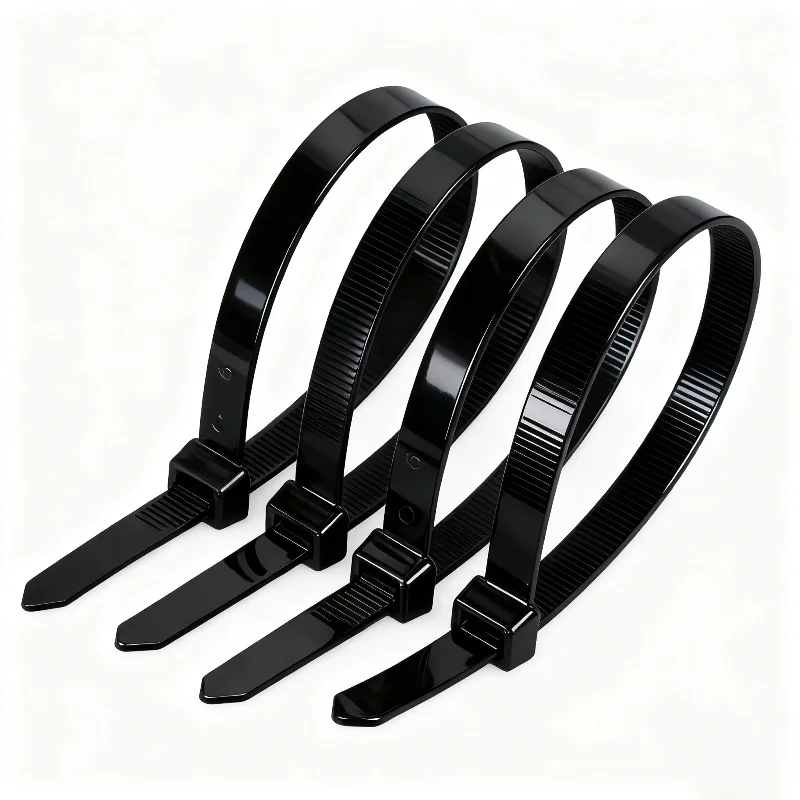
In global industrial scenarios such as electronic manufacturing, communication base stations, and automotive assembly, low profile zip ties have become key components for solving the challenges of precise cable fixation and space optimization, thanks to their core advantage of a flat design. Compared to regular cable ties, low profile cable ties effectively avoid scratching damage to surrounding components caused by protruding buckles, making them ideal for high-density wiring environments. This article will guide you in precisely selecting the right type based on structure, material, and specifications, while also addressing common pain points in practical applications and providing references for global procurement with embedded full series keywords.

1. Core Structure Analysis of Low Profile Zip Ties

The structural design of high-quality low profile zip ties directly determines their adaptability and safety, with key highlights focused on the head and tail design:

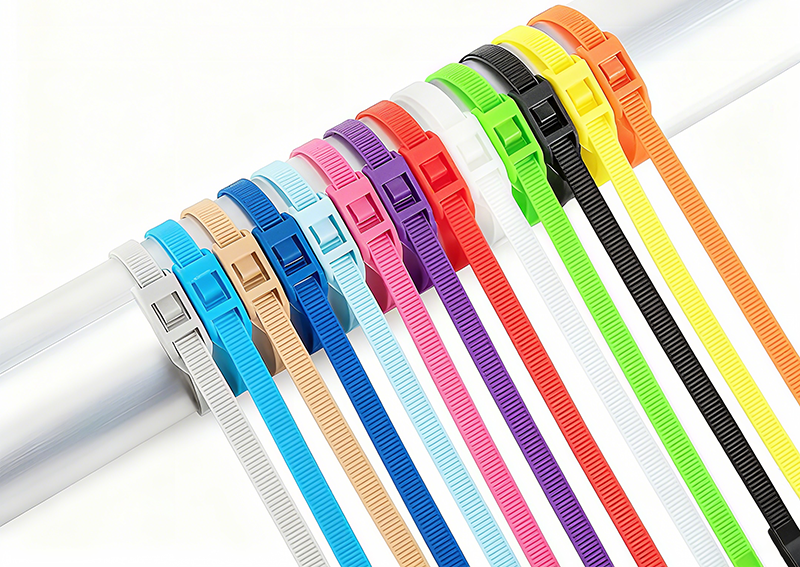
  • Hidden tail structure: Unlike traditional cable ties that leave sharp tails after cutting, low profile tie wraps have a tail that can be placed flat within the head cavity after cutting, creating a fully enclosed design. This not only protects the operator’s hands but also prevents scratching sensitive components such as electronic parts, cable insulation, and car interior trim.
  • Parallel entry design: As the core feature, the head of the parallel entry cable ties adopts a flat shape, with the tail inserted along the main body in a parallel direction, rather than the vertical insertion used in traditional ties. After closing, the tie forms a smooth curve with no protruding angles, significantly reducing the overall height of the bundle, making it suitable for installation in confined spaces.
  • Reinforced locking mechanism: The specialized locking teeth precisely engage with the serrations of the tie body. Some high-end models, such as the Cobra series, adopt a columnar locking design, offering superior tensile strength compared to traditional ties of the same material. These ties can also be paired with manual tensioning tools for even fastening, avoiding over-tightening that could damage cables.

2. Material Selection Guide for Low Profile Zip Ties

Material directly affects the temperature resistance, aging resistance, and load-bearing capacity of low profile zip ties. Nylon is the main material used in global industrial scenarios, with custom materials available for specific environments:

  • Mainstream material: Nylon 6/6 (PA66): Low profile nylon cable ties are the most widely used type, offering excellent insulation (breakdown voltage ≥20kV), toughness, and temperature range (-40°C to 85°C). After adding UV stabilizers, black UV-resistant variants are available, suitable for outdoor communication base stations, photovoltaic equipment, and other scenarios.
  • Modified materials: For high-temperature or highly corrosive environments, heat-stabilized Nylon 6/6 is available, with an upper temperature limit of 120°C. It is suitable for automotive engine compartments, boiler wiring, and chemical or pharmaceutical industries where specialty cable ties made from PVDF or PTFE are used to withstand strong acids and alkalis.
  • Color options: Regular UV black (outdoor aging resistance) and natural color (indoor general use) are available. Custom colors such as red and blue can be ordered for cable classification and management, improving operational efficiency.

3. Specifications and Selection Criteria for Low Profile Zip Ties

When purchasing, it is essential to match specifications with application scenarios. Core parameters include length, tensile strength, and packaging method. Below are general specifications for reference:

TypeLength (inches)Length (mm)Width (mm)Max. Bundle Dia. (mm)Min. Tensile Strength (lbs / kg)
WD-8x350LP15″3507.39032 lbs / 14.5 kg
WD-8x400LP16″4007.310532 lbs / 14.5 kg
WD-10x400LP16″4008.810545 lbs / 20.5 kg
WD-10x450LP18″4508.813049 lbs / 22.5 kg

Selection key principles: Reserve 5cm adjustment for bundle diameter, prioritize UV black low profile cable ties for outdoor use, and use parallel entry cable ties in high-vibration environments to ensure stable fixation.

4. Solutions for Core Pain Points in Various Scenarios

In global industrial scenarios, the core value of low profile zip ties lies in solving pain points such as protruding scratches, insufficient space, and aging breakage, as seen in the following typical scenario solutions:

  • Wiring in precision electronic equipment: Traditional cable ties with protruding buckles can easily scratch chips and circuit boards. Solution: Use mini low profile tie wraps with hidden tail design and Nylon 6/6 material, providing insulation and safety while being suitable for dense wiring in routers, set-top boxes, etc.
  • Outdoor communication base stations: High temperatures and UV radiation cause aging and breakage of ties, leading to cable loosening. Solution: Use UV-modified low profile nylon cable ties to extend outdoor service life.
  • Automotive interior wiring: Protruding ties affect assembly in confined spaces, and sharp tails can damage the interior. Solution: Use heavy-duty specialty zip ties with flat head design to reduce height, suitable for engine compartments and cockpit wiring bundling.
  • Children’s play areas (indoor play structures): Exposed hidden wiring in play structures such as slides may cause scratches. Traditional ties’ sharp edges and easy breakage pose safety risks. Solution: Use low profile cable ties with rounded, hidden tails and flat design, preventing children’s contact and complying with global play structure safety standards.

5. Frequently Asked Questions (FAQ)

Q1: What is the core difference between low profile zip ties and regular cable ties?

A1: The core difference lies in the flat structure and parallel entry design. The head of low profile cable ties is lower in height, and the tail can be hidden, with no sharp protrusions, making them suitable for precision environments. Regular cable ties, with vertical insertion design, tend to have protruding angles and are only suitable for general bundling, not for confined or sensitive environments.

Q2: Can low profile zip ties be customized for special scenarios?

A3: Yes, as a manufacturer of specialty cable ties, we can customize colors (such as red/blue for identification) and materials (flame retardant, chemical-resistant variants).

Q3: Do I need specialized tools to install low profile zip ties?

A4: Mini and standard types can be manually tightened, while heavy-duty models are recommended to be paired with manual tensioning tools to ensure even tension and prevent over-tightening, which could damage cables.

6. Summary

The core of selecting high-quality low profile zip ties is matching the scenario needs with material performance. When globally sourcing, it is essential to prioritize certifications, aging resistance, and structural design. Whether for precision electronics, outdoor communications, or automotive industries, the right combination of low profile wire ties and specialty zip ties can achieve secure, efficient, and long-lasting cable management solutions.

Related Posts

Cable Tie Size Guide

Cable Tie Size Guide

Ever wondered how to choose the perfect cable tie for your project? This Cable Tie Size Guide will demystify the process of selecting the right cable tie dimensions. From length and width to bundle diameter and tensile strength, we’ll explore the key factors that determine the ideal cable tie size for your specific needs. How […]

Read More
Cable Tie Straps​: The Ultimate Guide to Choosing and Ordering for Your Project

Cable Tie Straps​: The Ultimate Guide to Choosing and Ordering for Your Project

Why Choose the Right Cable Tie Straps​? In modern electrical, industrial, and communication installations, cable tie straps​ are indispensable for organizing, securing, and protecting wires, cables, and hoses. The right strap cable tie​ not only improves workplace safety and aesthetics but also extends the service life of your equipment by preventing cable damage and accidental disconnections. At wanducn.com, […]

Read More
Do Zip Ties Break in Cold Weather?

Do Zip Ties Break in Cold Weather?

Introduction Do zip ties break in cold weather? This is a common question asked by outdoor engineers, installers, and purchasing managers. This ultimate guide will explain everything you need to know: the molecular reasons behind brittleness in plastics, the cold-weather performance of different materials, application scenarios, best installation and storage practices,and low-temperature testing methods. By […]

Read More