Are you looking for a reliable and long-lasting solution for cable management? Stainless steel cable ties offer superior strength and durability compared to plastic alternatives.
In this blog post, we’ll guide you through the process of using and tightening ss cable tie effectively. Discover the best practices and techniques to ensure secure cable bundling in various environments.
What are stainless steel cable ties?
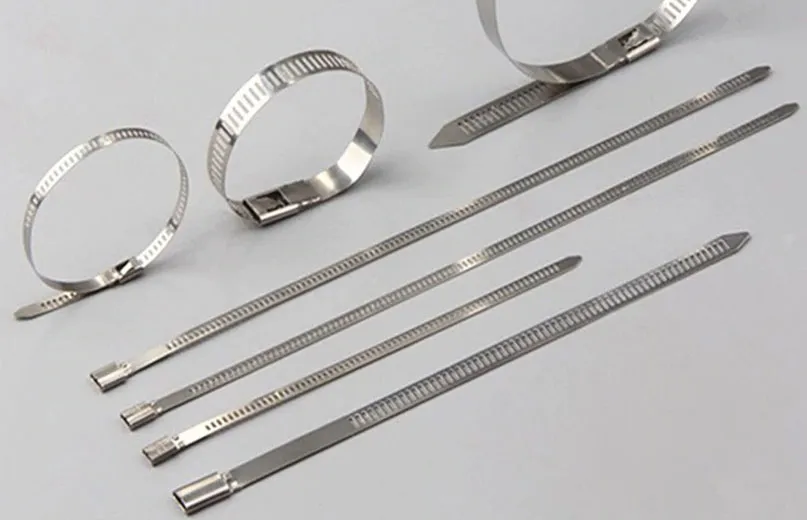
Ss cable tie are durable fastening devices used to bundle and secure cables, wires, or other objects. stainless cable ties consist of a flexible metal band with a locking mechanism, providing superior strength and corrosion resistance compared to plastic alternatives. Stainless steel ties excel in harsh environments, withstanding extreme temperatures, UV radiation, and chemical exposure.
Stainless cable ties come in various sizes and styles, including ball-lock, roller-ball, and ladder-type designs. Their versatility makes them suitable for numerous applications, from industrial and marine settings to outdoor installations. they offer a long-lasting, tamper-resistant solution for organizing and securing cables in demanding conditions.
Why use stainless steel cable ties?
Ss cable tie offer superior durability and strength compared to plastic alternatives. Stainless cable ties withstand extreme temperatures, UV radiation, and harsh chemicals, making them ideal for outdoor and industrial applications.
The corrosion-resistant properties of stainless steel ensure long-lasting performance in marine environments and areas exposed to moisture. This characteristic significantly reduces maintenance and replacement costs over time.
Stainless steel ties provide excellent tensile strength, allowing for secure bundling of heavy cables and equipment. Their metal construction also offers fire resistance, enhancing safety in critical installations.
Stainless cable ties maintain their integrity in high-vibration environments, preventing loosening or failure. The tamper-resistant nature of zip ties stainless steel
makes them suitable for security-sensitive applications, deterring unauthorized access or manipulation.
How to use stainless steel cable ties?
Select the appropriate size and type of stainless steel cable tie for the application. Ensure stainless steel wire ties length and width match the bundle size and required strength.
Thread the tail end through the locking mechanism of zip ties stainless steel. Wrap the tie around the cables or objects to be secured, maintaining even tension.
Insert the tail end back through the locking head. Pull the tail to tighten the tie around the bundle, ensuring a snug fit without over-tightening.
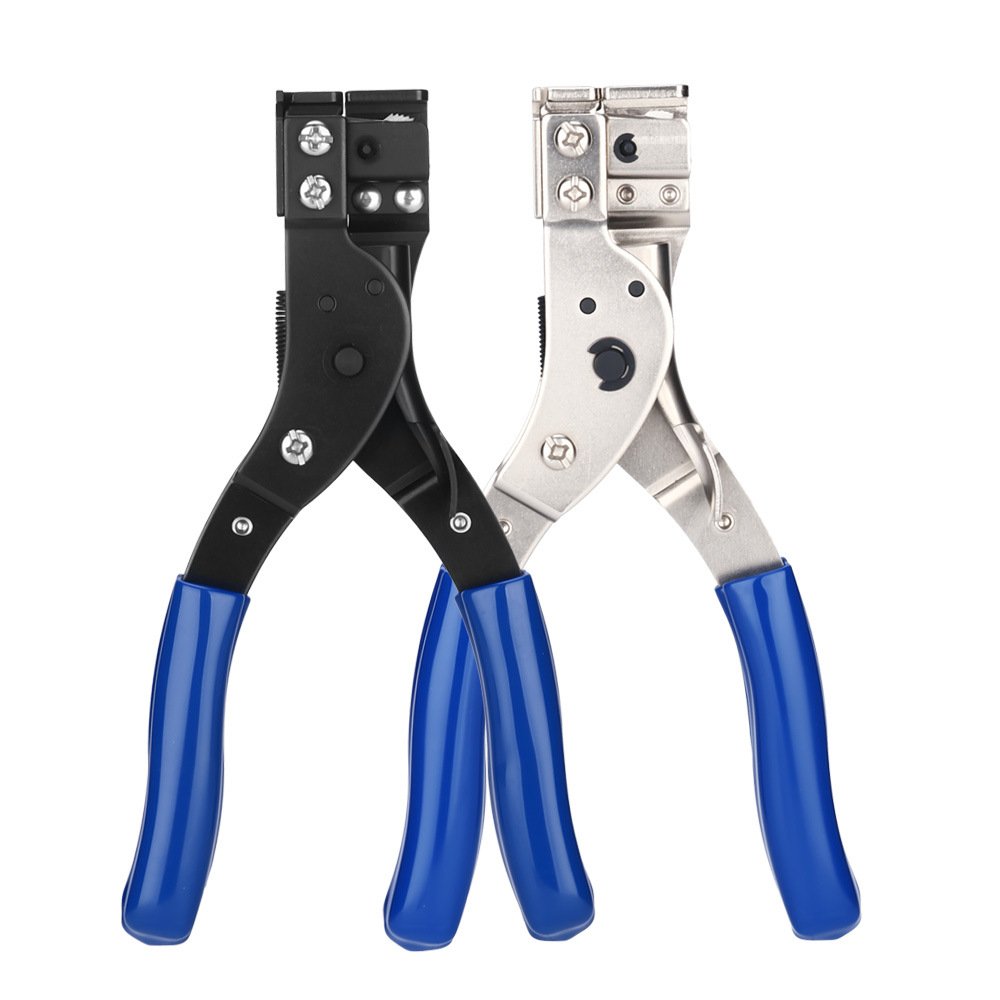
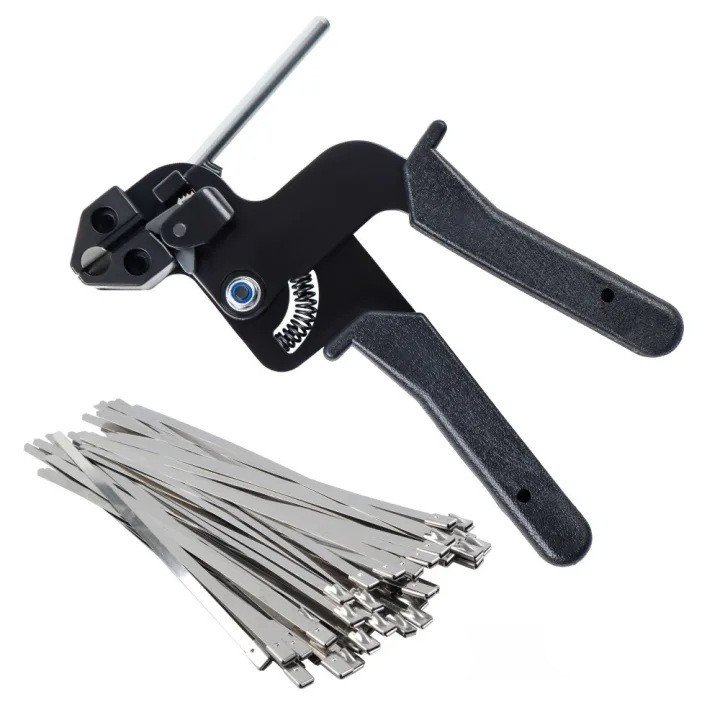
Use a ss cable tie tensioning tool for precise and consistent tightening. This tool helps achieve the correct tension without damaging the cables or the tie itself.
Trim excess length from using the cutters of zip ties stainless steel. Leave a small tail to allow for future adjustments if necessary.
Inspect the installed tie to ensure proper tension and positioning. Verify that the locking mechanism is fully engaged and secure.
How to tighten cable ties?
Begin by threading the tail end of the stainless steel cable tie through its locking mechanism. Wrap the tie around the bundle of cables or objects to be secured.
Insert the tail back through the locking head, creating a loop. Pull the tail end firmly to remove any slack, ensuring tie wraps metal is snug against the bundle.
For precise tightening, employ a ss cable tie tensioning tool. This specialized tool allows for consistent and controlled tension application, preventing over-tightening or damage to the cables.
Gradually increase tension using the tool until the desired tightness is achieved. The tool typically features adjustable settings to accommodate different tie sizes and bundle requirements.
The tool will automatically cut the excess tail once it reaches the proper tension. If manually tightening, use ss cable tie cutters to trim the excess length, leaving a small tail for potential future adjustments.
Conclusion
Stainless steel cable ties offer unmatched strength and durability for securing cables in various environments. Proper usage and tightening techniques ensure optimal performance and longevity.
Explore our product range to find the perfect stainless steel cable tie for your needs.
Frequently Asked Questions
How do I choose the right stainless steel tie for a job?
The article advises selecting the size and type that fit the application, checking that tie length and width match the bundle size and the strength the load demands. Stainless ties come in ball-lock, roller-ball and ladder-type designs, so the style is part of the choice alongside dimensions.
How does a stainless tie differ from a plastic one?
A stainless tie is a flexible metal band with a locking head, giving greater strength and corrosion resistance than plastic. It tolerates extreme temperatures, UV and chemicals, resists fire, and holds firm under vibration, while the tamper-resistant design discourages interference. Plastic ties cost less but cannot match that behaviour in demanding environments.
When should I tighten with a dedicated tool rather than by hand?
Use a tensioning tool when you need consistent, controlled tightness, since it applies force evenly and avoids crushing cables or straining the tie. The tool usually cuts the tail once the set tension is reached. Manual tightening works for light jobs, but trim the excess with cutters and leave a short tail for future adjustment.
About Wandu — Zhejiang Wandu Plastic Co., Ltd. has produced nylon cable ties in Yueqing, Zhejiang, China since 2011. Our ISO 9001 certified factory runs 10 high-speed injection moulding machines and 8 professional cable tie test benches, covering nylon cable ties, stainless steel cable ties, cable clips, cable glands and spiral wrap. Products are CE and RoHS compliant and ship to buyers in 50+ countries. Every technical question below is answered by our own engineering team.
Introduction As a practical fastening tool, cable ties play an important role in households, industries, electronics, and electrical applications. Whether organizing wires, bundling items, or providing secure fastening in complex environments, cable ties demonstrate adaptability and reliability. Depending on the specific use scenarios, cable ties vary in material, design, and function. In this article, we […]
1.Introduction Whether managing cables in your daily life or bundling items in construction or industry, you’ve likely used zip ties. Their simple structure and ease of use make them ubiquitous in nearly every industry, from electronics manufacturing to construction and even aviation. But have you ever wondered: What are zip ties made of? Understanding the […]
Zip tie handcuffs, also known as cable tie handcuffs, double loop cable ties, or tie wrap handcuffs, are temporary restraint devices made from durable nylon plastic. Designed with a double-loop locking structure, they can quickly secure both hands together. Although similar in appearance to standard cable ties, they are optimized specifically for restraint purposes. These […]
We use cookies to enhance your browsing experience, serve personalised ads or content, and analyse our traffic. By clicking "Accept All", you consent to our use of cookies.
Looking For High Quality Nylon Cable Ties At A Great Price?
Order now to experience cost-effective cable tie products that provide convenience and protection for your work and life.




 EN
EN  AR
AR  ES
ES  PT
PT  FR
FR  RU
RU  DE
DE  KO
KO  JA
JA  IT
IT  NL
NL  TR
TR